
Every year, it happens the same way. We get that first warm stretch in South Georgia, maybe an 82-degree afternoon, and suddenly everyone flips their thermostat to cool. And almost like clockwork, the calls start coming in:
“My AC isn’t blowing cold air.”
“It’s running, but the house isn’t cooling.”
“It smells dusty.”
The reality is that most of those issues could have been prevented with a little spring HVAC preparation. Before the heat and humidity settle in for good, here’s exactly what we recommend doing to get your air conditioner ready.
What Should You Do Before Turning on Your AC in Georgia?
Before turning on your AC in South Georgia, replace your air filter, clear debris from around your outdoor unit, test your thermostat, check vents for proper airflow, and schedule professional HVAC maintenance. Spring AC service improves energy efficiency, prevents costly breakdowns, and prepares your system for Georgia’s heat and humidity.
Why Spring AC Preparation Matters in South Georgia
Summer doesn’t ease around here. It arrives quickly — and it stays.
High humidity, rising temperatures, and long cooling cycles put serious strain on your HVAC system. If your air conditioner has been sitting idle all winter, even minor issues can turn into major AC repairs once it’s running full-time.
We believe in staying ahead of problems instead of reacting to them. A little preparation now helps:
- Prevent mid-summer breakdowns
- Improve cooling efficiency
- Lower energy bills
- Extend the life of your HVAC system
We see what happens when systems are ignored. We’d much rather help you avoid that emergency call in July.
Our South Georgia Spring HVAC Checklist
1. Replace Your Air Filter
If you only tackle one thing this spring, make it this.
A dirty air filter restricts airflow, forces your system to work harder, and reduces efficiency. In South Georgia, heavy pollen can clog filters faster than many homeowners expect.
Quick check:
- Replace it if it’s been 1–3 months
- Hold it up to the light — if you can’t see through it, it’s time
Better airflow means better cooling and less strain on your system.
2. Clear Debris Around the Outdoor Unit
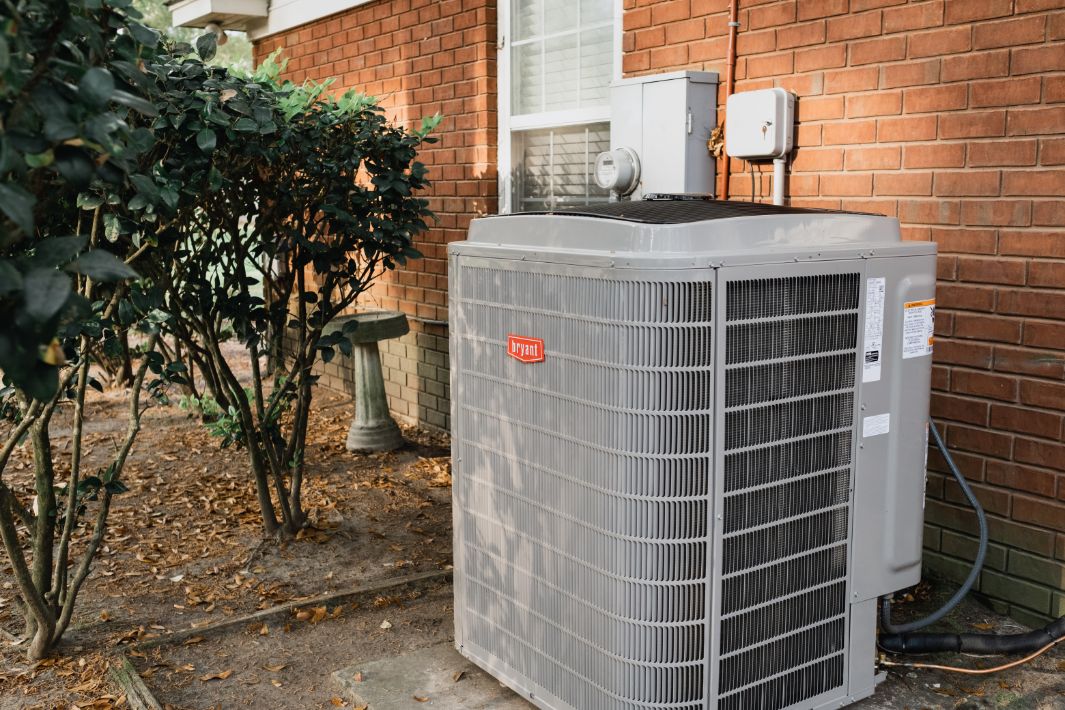
Your outdoor condenser needs room to breathe.
Over the winter, leaves, pine straw, grass clippings, and debris tend to build up around the unit. Restricted airflow traps heat and reduces performance.
What to do:
- Remove debris within two feet of the unit
- Gently rinse coils with a garden hose (avoid pressure washers)
- Trim back shrubs or plants crowding the system
Many spring cooling issues start with something this simple.
3. Test Your Thermostat Early
Don’t wait until the first 90-degree day.
Switch your thermostat to “cool” and lower the setting a few degrees. Make sure:
- Cold air is coming from the vents
- The outdoor unit turns on
- The system cycles normally
If you’re using a smart thermostat, double-check your programming. Incorrect schedules can quietly waste energy.
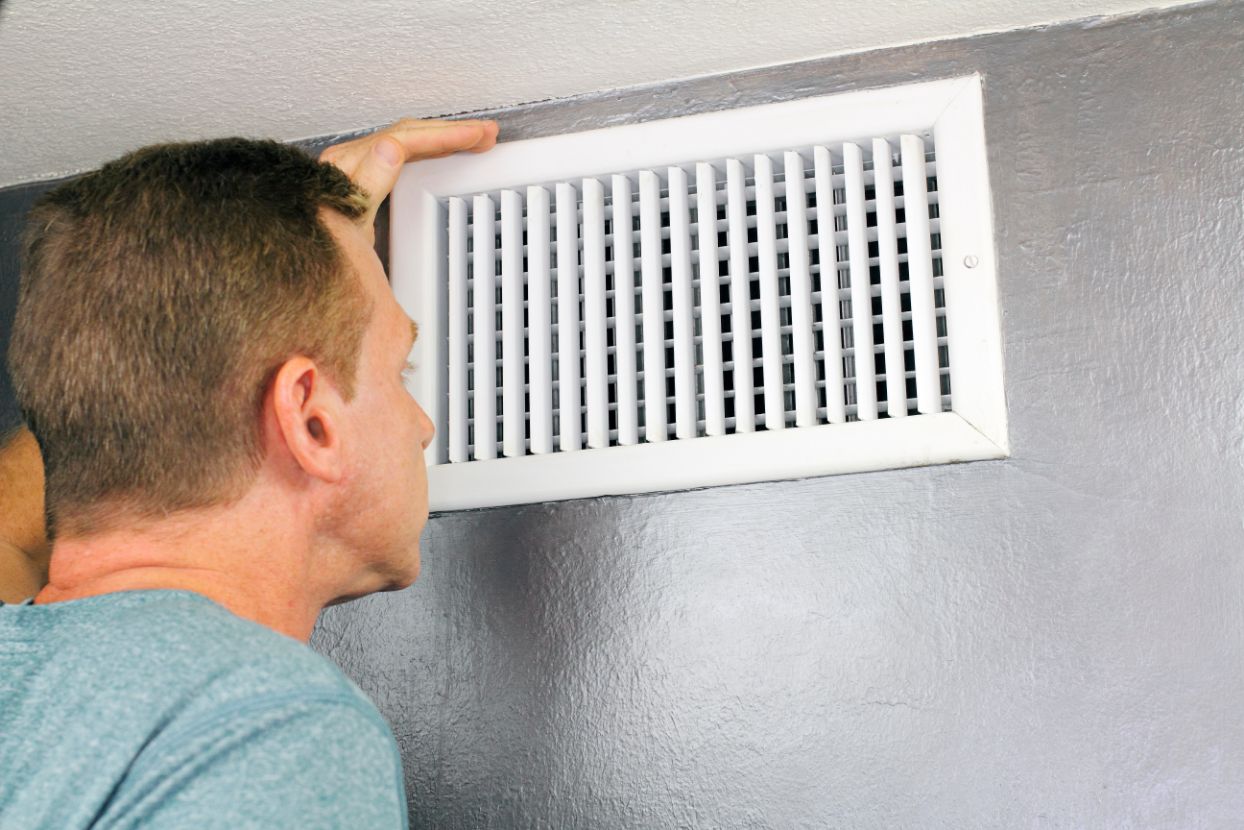
4. Check Air Vents and Returns
Take a quick walk through your home.
- Make sure supply vents aren’t blocked by furniture
- Confirm return vents are clear
- Check that vents are open
Blocked airflow often leads to uneven cooling and hot spots, something we commonly see in spring.
5. Schedule Professional HVAC Maintenance
This is where we step in.
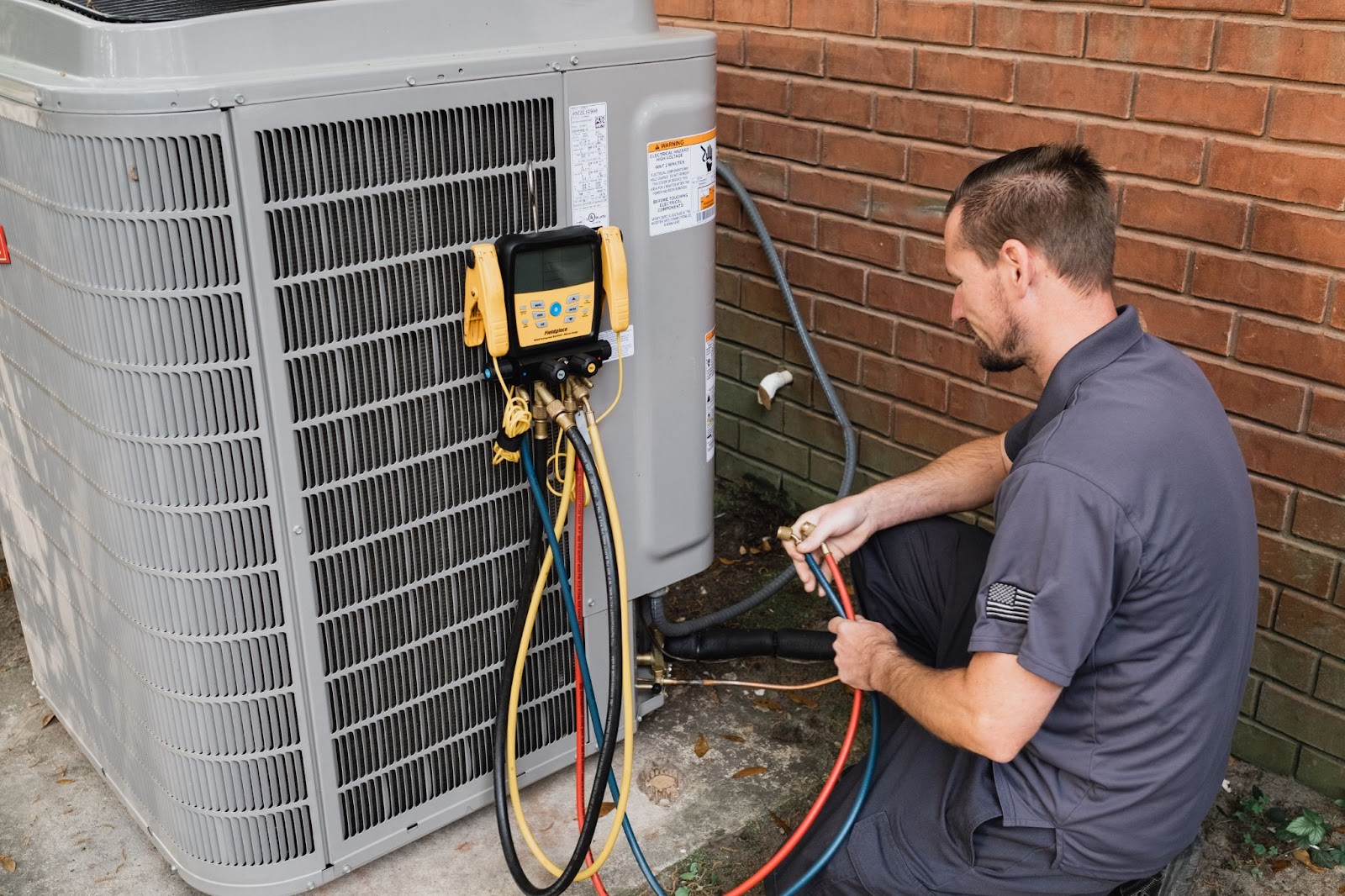
Even if your system seems fine, there are components homeowners simply can’t evaluate without proper tools and training. During spring HVAC maintenance, we:
- Inspect electrical components
- Check refrigerant levels
- Clean coils
- Clear drain lines
- Test overall system performance
- Identify early signs of wear
Many of the emergency AC repairs we handle during peak summer started as small issues that would have been caught during a spring tune-up.
When Is the Best Time to Schedule Spring HVAC Maintenance in Georgia?
We recommend scheduling between late February and April.
Once temperatures consistently climb into the 80s, appointment availability tightens and emergency calls increase. Getting ahead of the rush gives you:
- More scheduling flexibility
- Less stress
- Peace of mind before summer hits
What Happens If You Skip Spring AC Service?
When systems aren’t serviced, we often see:
- Higher monthly energy bills
- Reduced cooling performance
- Drain line clogs and water leaks
- Emergency breakdowns during peak heat
- Shortened system lifespan
South Georgia summers are demanding. Your HVAC system needs to be ready for that workload.
Ready to Prepare Your AC for South Georgia Heat?
If your air conditioner hasn’t been checked yet this year, now is the time. Schedule professional spring HVAC maintenance with Indoor Climate Experts to ensure your system is ready for the heat ahead.