
Smart thermostats can lower heating and cooling costs, but only if you’re using the features correctly. The most common money-wasting mistakes include skipping schedules, constantly adjusting the temperature, ignoring energy-saving modes, using extreme settings, and letting the Wi-Fi or sensors go unused. These habits make your HVAC system work harder and raise your bills. With a few quick changes — or help from Indoor Climate Experts — you can unlock real savings all year.
Common Smart Thermostat Mistakes to Avoid
Mistake 1: Not Using a Schedule
If your thermostat stays on one temperature all day, you’re missing out on energy savings while you’re asleep, at work, or traveling.
Mistake 2: Constant Manual Adjustments
Changing the temperature every time you feel warm or cold disrupts the thermostat’s learning features and makes your HVAC system run harder.
Mistake 3: Setting Extreme Temperatures
Cranking the heat way up (or the AC way down) doesn’t warm or cool your home faster. It just increases your energy bill.
Mistake 4: Ignoring Eco or Smart Modes
Most smart thermostats have built-in energy-saving options that homeowners never turn on.
Mistake 5: Skipping Wi-Fi or App Setup
Without app access, you can’t get alerts, adjust settings remotely, or see energy-use reports.
Mistake 6: Forgetting About Air Filters
Even the best thermostat can’t fix a clogged air filter. Poor airflow makes your system run longer and costs you money.
How These Mistakes Affect Your Monthly Bills
When your thermostat isn’t set up properly, your HVAC system ends up running longer than it needs to. That means higher bills, more wear on the equipment, and a home that still might not feel comfortable. You may also notice inconsistent temperatures from room to room, or your system turning on even when no one is home. Over time, those small inefficiencies lead to noticeable increases in your energy costs.
Simple Fixes That Actually Save You Money
The good news is that most smart thermostat mistakes are easy to correct. Start by setting up a schedule that matches your daily routine. Enable your thermostat’s built-in energy-saving modes, and resist the urge to adjust the temperature every time you feel a slight change. Make sure your device is connected to Wi-Fi so you receive alerts when something isn’t right, and use remote sensors (if your model includes them) to help your system heat or cool your home evenly.
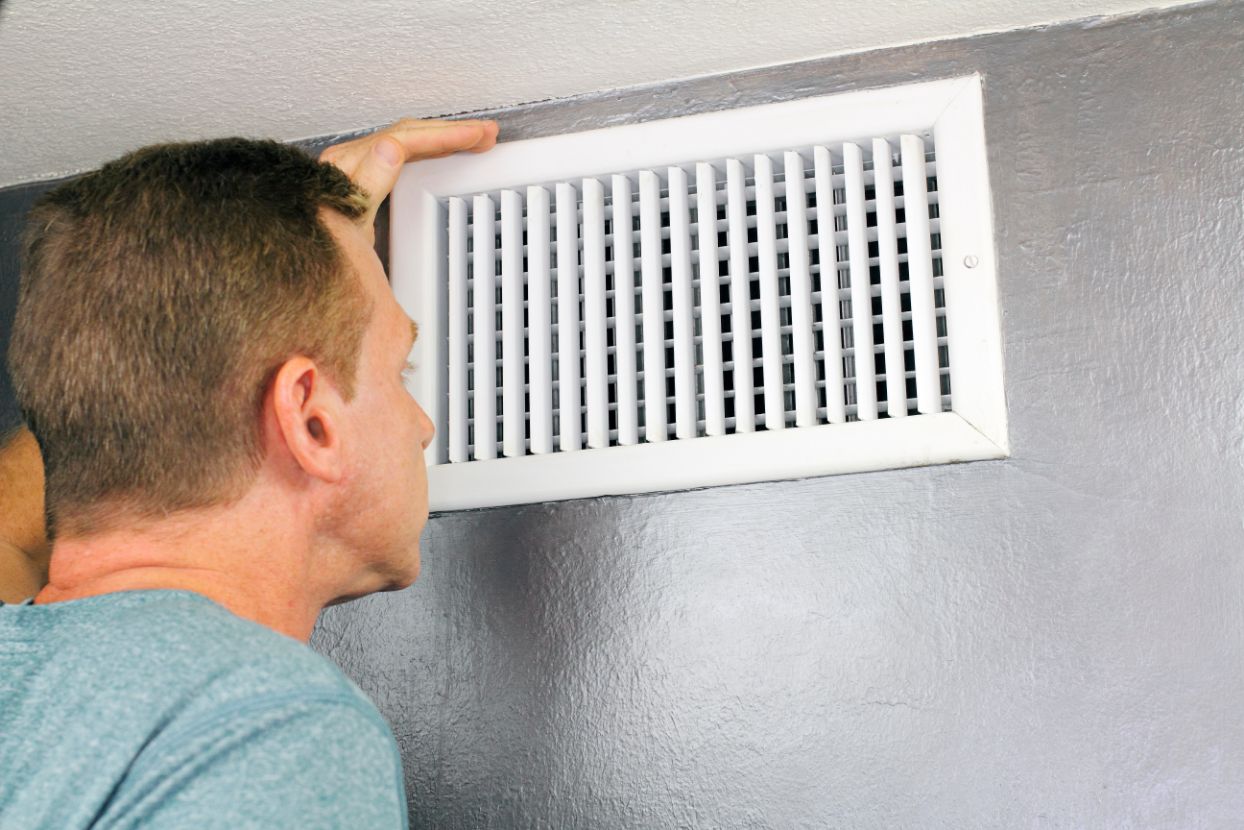
And of course, none of this works without good airflow. Changing your air filter regularly and keeping vents open makes your smart thermostat’s job much easier.
Your Smart Thermostat Should Help You Save
Smart thermostats are incredible tools for comfort and efficiency — but only when they’re set up and used correctly. A few simple adjustments can make a big difference in your home’s energy use. If you’re thinking about upgrading to a smart thermostat or want help optimizing the one you already have, contact Indoor Climate Experts today.